Image Map
Showing posts with label Holidays. Show all posts

Saturday, January 16, 2016

Countdown to Spring...in Mandarin 数九歌

The holidays have passed, and although we haven't had a real winter yet (according to the kids), the winter doldrums have set in and we (...um..that would be me) have begun the countdown to spring. 

My mother-in-law shared this great Mandarin poem that was used long ago in China as a way to keep track of the days between Winter Solstice and the spring planting season, The Number Nine Song (数九歌, shǔ jiǔ gē).

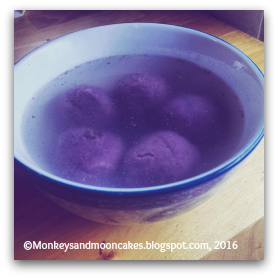
Winter Solstice (冬至dōngzhìis a Chinese holiday celebrated by family get-togethers and tāngyuán (汤圆), which are those wonderful glutinous rice dumplings with sweet or savory fillings (my favorite are black sesame paste), floating in a vat of steaming hot water. Yum!

Back to the poem: 


Number Nine Song describes the changes in the weather that occur between the Winter Solstice and the beginning of the spring planting season from a child's perspective.  Time is counted in increments of 9 days, so the "1st 9" in the poem refers to the first 9 days beginning from the Winter Solstice, the "2nd 9" the 9 days after that, and so on. 


What I love about this poem:

  • Good for intermediate students. Chinese poetry can be confounding (to say the least), but this is a pretty approachable poem for intermediate language learners due to its heavy use of numbers.
  • It's a riddle! Once you understand that the 9's in the poem refer to increments of 9 days, the poem can be used as a riddle. Have your kids figure out when the 1st 9, 2nd 9, 3rd, 9, etc... occur (Hint: Winter Solstice was December 22 last year). 
  • Great lesson idea for Winter SolsticeYup, it's already passed this year, but put it on the calendar for next year (December 21, 2016) and plan to eat some steaming hot tāngyuán (or eat those now just because you never need an excuse to eat tāngyuán).
  • You can hear it performed on a goofy youtube video. There is a goofy youtube video that animates the poem's text (recited by children). FYI: the third line of the poem slightly differs in the video.


How do you count down the days until spring? 


post signature

Monday, January 27, 2014

10 Must-Read Children's Books for Chinese New Years


Are you looking for a charming (English-language) book to help introduce the cultural traditions of Chinese New Year to your child?

Thankfully, there are many wonderful authors writing books for kids of all ages on this subject. 

Here are some of my favorite picture books on the subject (in alphabetical order by author's last name)

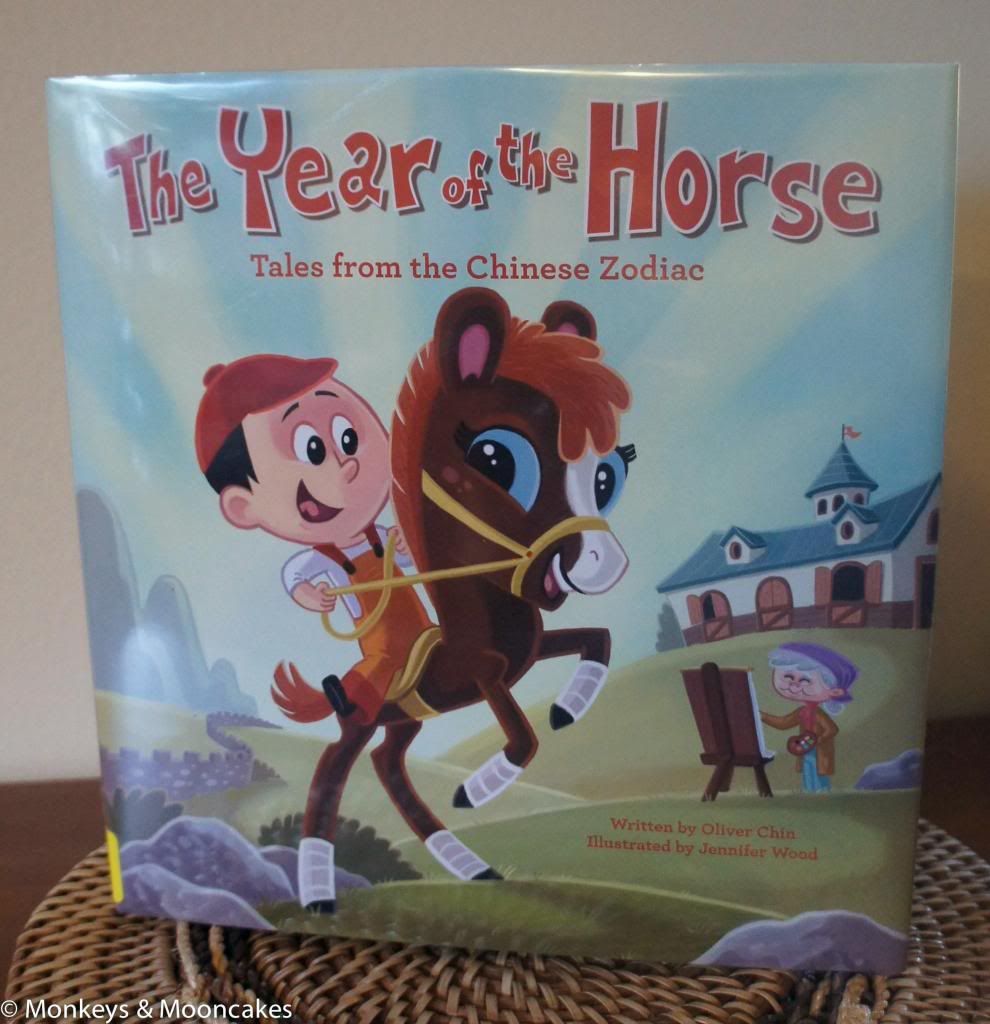
1.  The Year of the Horse: Tales from the Chinese Zodiac by Oliver Chin and Jennifer Wood (Immedium, 2014)


The latest (# 9) in a planned 12-book series by Oliver Chin that introduces children to the animals of the Chinese zodiac, one book per year. In this tale, a young horse and his boy discover their unique and important roles within their community.

Kids will love the action-packed illustrations. A short author’s note in the back describes the personality traits of "horses" in the zodiac calendar. 

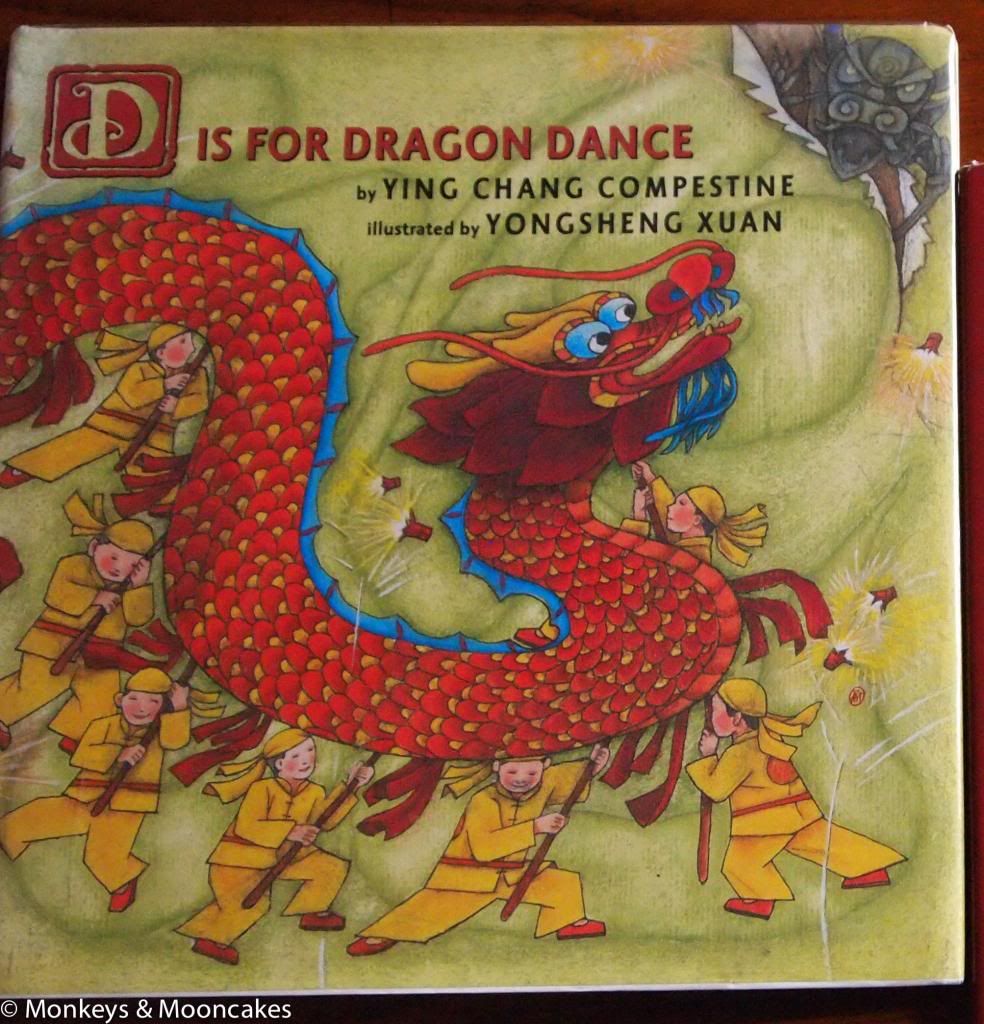
2.  D is for Dragon Dance by Ying Chang Compestine(Holiday House, 2006)   

This alphabet book introduces the many traditions associated with Chinese New Year in the "H is for haircut" style. Shadows of Chinese calligraphy lie in the background of interesting angular illustrations, which look a bit like one-dimensional origami.

An author's note on the back page spells out some of the traditions mentioned in the story and also includes a dumpling recipe (yum!). 


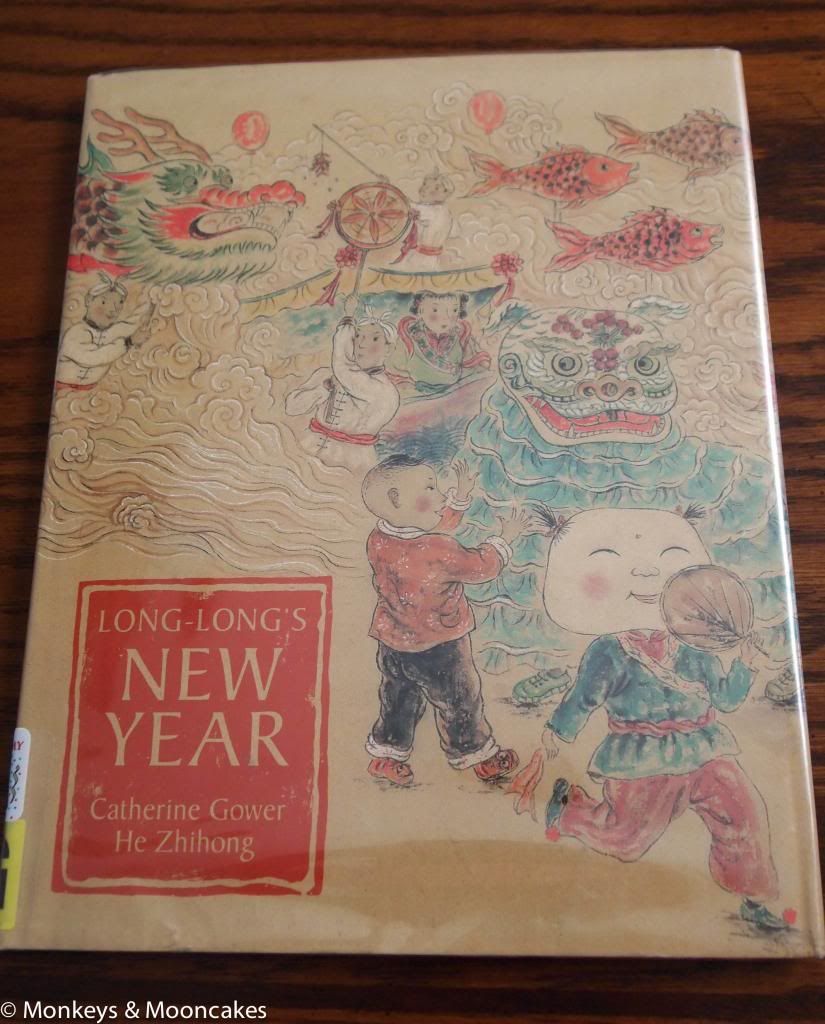
 3.  Long Long’s New Year: A Story about the Chinese Spring Festival by Catherine Gower and He Zhihong (Tuttle Publishing: Boston, 2005) 

In this story, young Long Long helps his grandfather, a poor cabbage seller, earn enough money to buy food and supplies for his family’s Spring Festival celebration.  

Children will love the mute-colored illustrations (they look like they were painted on antique rice paper), which capture the hustle and bustle of small village life in the days leading up to New Years. 

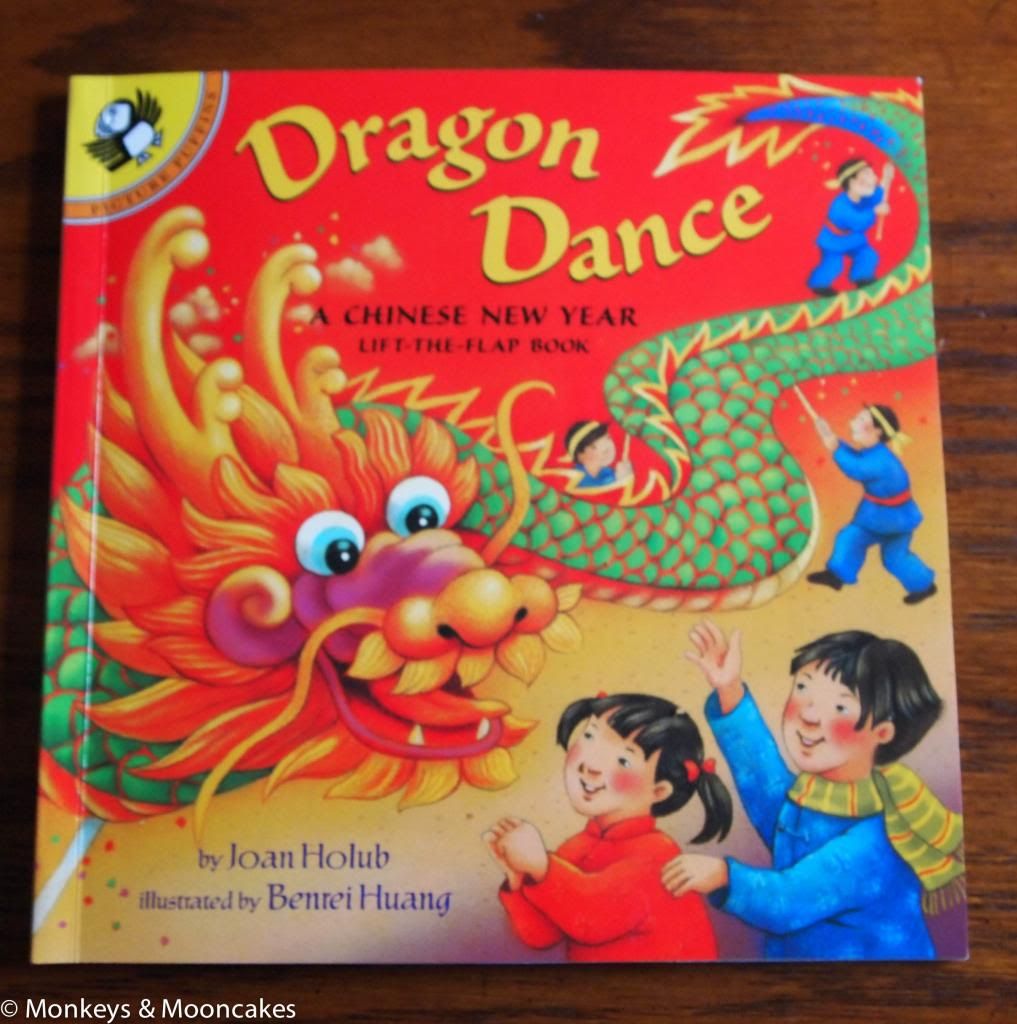
3. Dragon Dance: A Chinese New Year Lift-the-flap Book by Joan Holub (Puffin Books, 2003).
A child describes his family's preparations for the Chinese New Year: shopping for plum blossoms, sweeping and decorating his home, and watching a lion dance in a parade. Brightly colored illustrations depict the festivities. Kids will love the lift-the-flaps, which add an extra element of surprise on each page. 

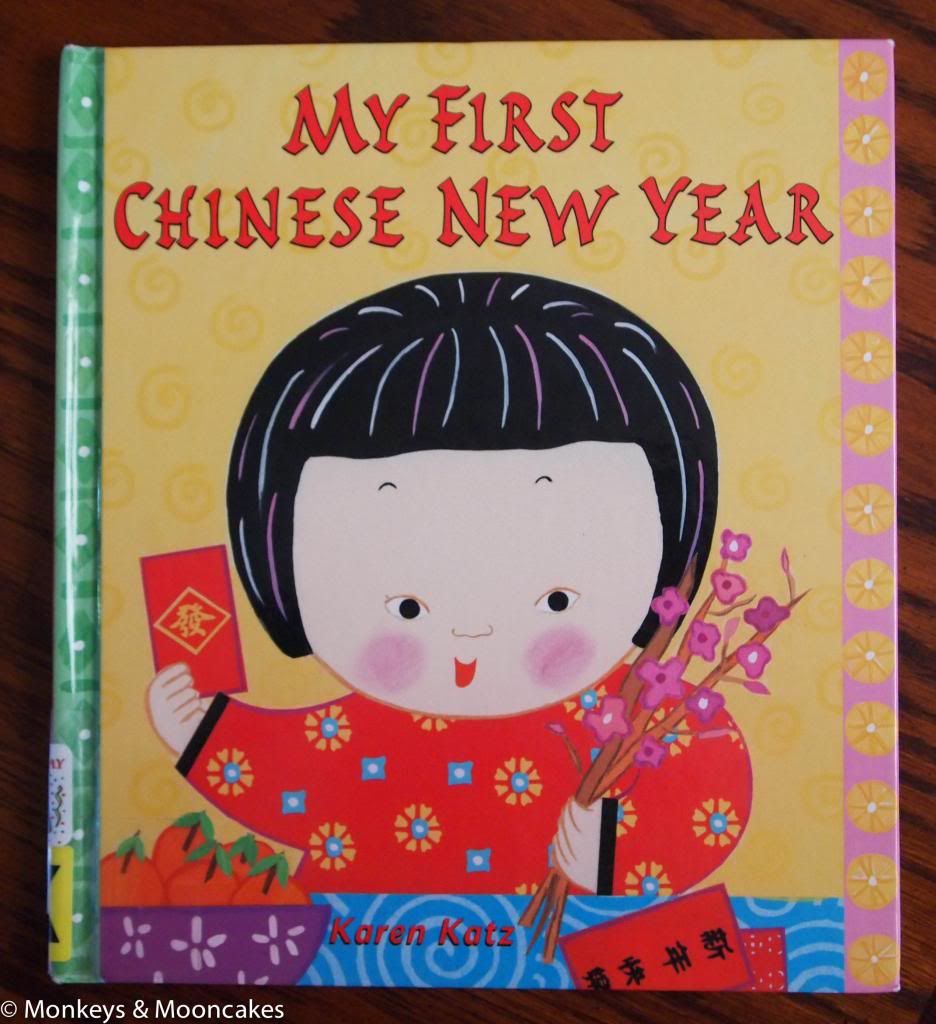
4. My First Chinese New Year by Karen Katz (Henry Holt and Company: NY, 2004) 


A little girl prepares for the Chinese New Years with her family: sweeping the bad luck away with a broom, purchasing plum blossoms, getting a haircut and wearing new clothes. 

This book features Katz’s signature colorful and endearing illustrations, which you might have seen in her popular board books Counting Kisses and Where is Baby's Belly Button? 


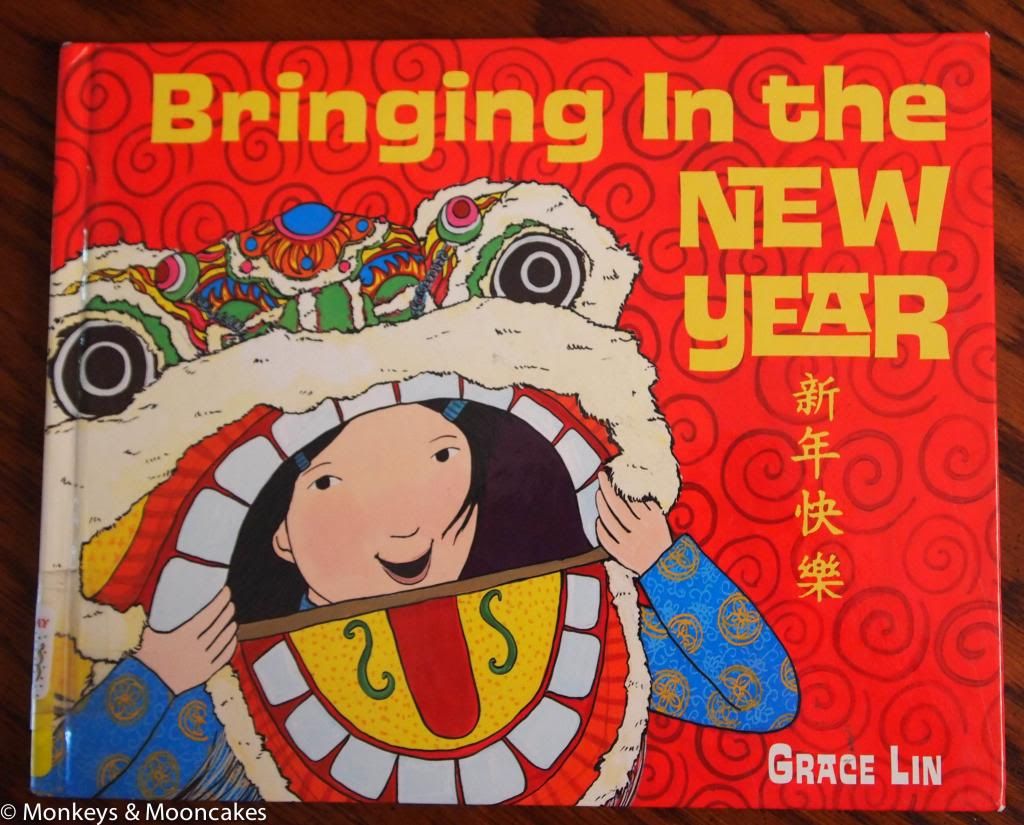
5. Bringing in the New Year by Grace Lin (Alfred A. Knopf: NY, 2008)

A young girl describes her family's preparations for the Lunar New Year: hanging red couplets, making dumplings, sweeping floors, getting a haircut, and wearing new clothing. The celebration culminates in a dragon dance, which is depicted on a large three-page fold-out. 

Children will be swept into the New Year's festivities by Lin's vibrant illustrations, which can also be seen in her other picture books Thanking the Moon, The Ugly Vegetables, Dim Sum for Everyone, Kite Flying, and Fortune Cookie Fortunes.  

Author's notes about Chinese New Year traditions are provided at the back of the book. 

6. Moonbeams, Dumplings & Dragon Boats.  Nina Simonds, Leslie Swartz, & The Children’s Museum, Boston (Harcourt Books, 2002).


One of my all time favorite children’s books about Chinese holidays, this book is a wealth of information about the major Chinese holidays (CNY, Lantern Festival, Qing Ming Festival, Dragon Boat Festival, and Mid-Autumn Festival).

Written by cookbook author Nina Simonds in conjunction with The Children's Museum of Boston, each chapter includes an explanation of the traditions associated with the holiday, a folktale, craft ideas, and recipes to try at home.
Beautiful watercolor illustrations will entice you and your child to explore each page.

7. Silk Peony, Parade Dragon by Elizabeth Steckman (Boyd Mills Press: PA, 1997) 

Silk Peony is a magnificent dragon who is rented by a powerful mandarin for the annual New Year’s parade. Based on legend, this is a tale of how the dragon came to lead the New Year’s parade. The traditional story and whimsical illustrations of dragons are sure to appeal to children and the young at heart.

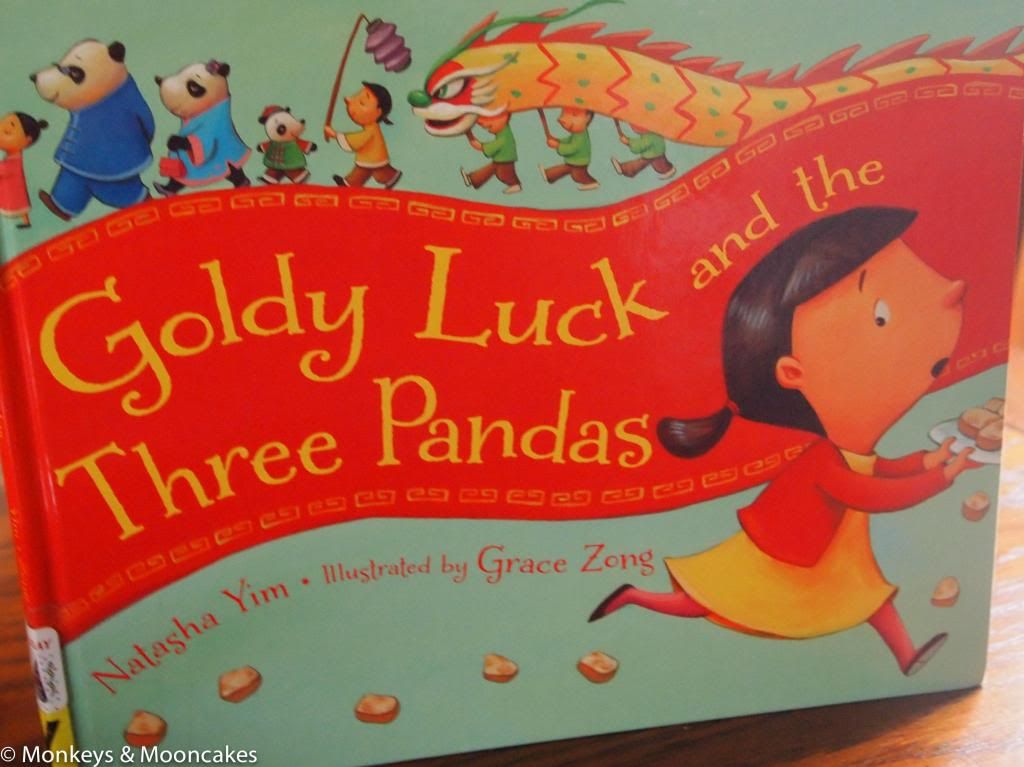
9. Goldy Luck and the Three Pandas by Natasha Yim (Charlesbridge, 2014)

In this Chinese New Year spin on the famous fairy tale, Goldy Luck must bring turnip cakes to her neighbors, the Chans (who happen to be a family of pandas!) to wish them a Kung Hei Fat Choi ("Happy New Years" in Cantonese).  She arrives to find that the Chans have stepped out, and soon gets distracted with the usual cast of characters: bowls of congee (instead of porridge), chairs and beds.  

**Spoiler alert: This story departs from the well-known fairytale when Goldy, feeling remorseful for leaving the Chan’s house a mess, returns to make amends, and the Chans invite her to make new turnip cakes with them.

Author’s note in the back includes info on Chinese New Year traditions, the Chinese Zodiac, and a recipe for Turnip Cake  (one of the best features of the book IMHO)

Darling illustrations with vibrant colors. This twist on the well-known fairy tale make it a nice addition to the CNY lineup.

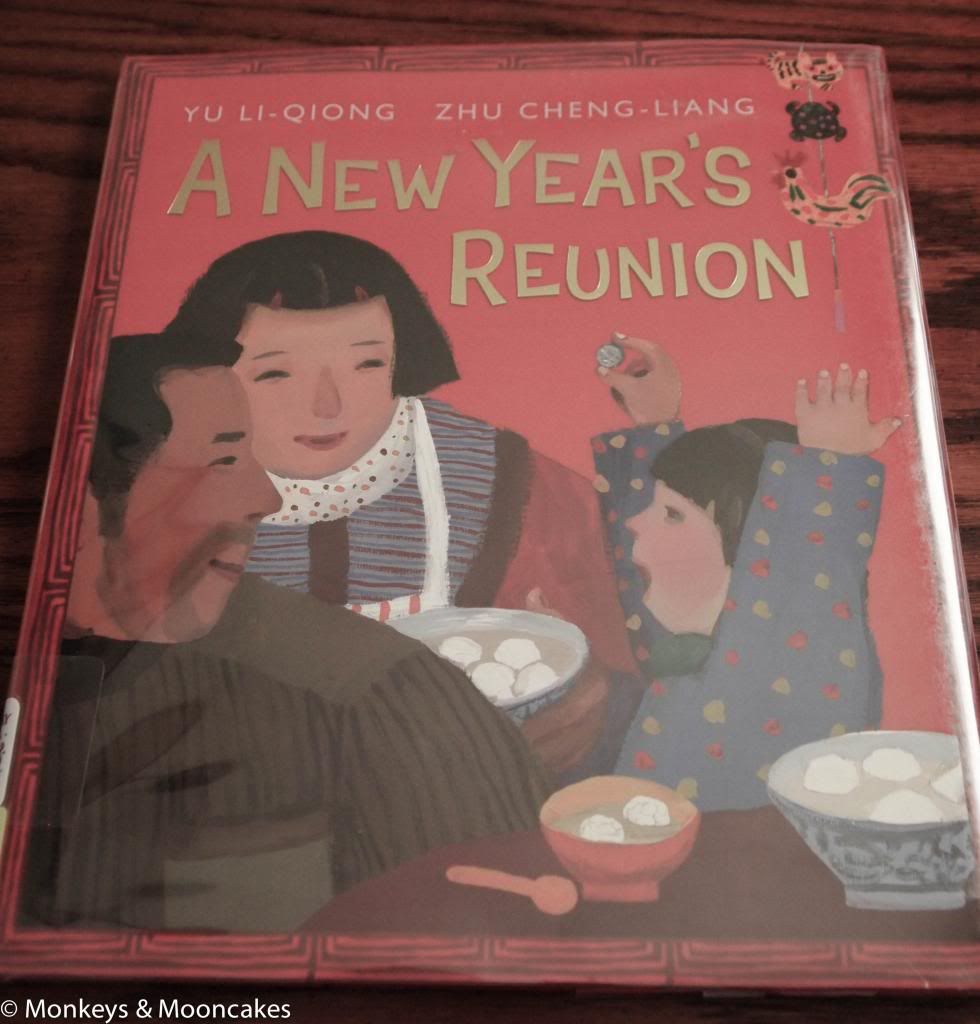
10. A New Year’s Reunion by Yu Li-Qiong and Zhu Cheng-Liang (Candlewick Press: Mass, 2011) 

Maomao's father, who is a migrant worker in a city far away, makes his annual return home  to celebrate Chinese New Year with his family. The family of three make sticky rice balls (yuanxiao), fix up the house, and watch a dragon dance weave its way through town.

The illustrations are striking: the bright colors of the Chinese New Year celebration and child’s clothing contrast the dark colors of the father’s clothing.  

This book captures Chinese New Year as experienced by many families across China: the joy of being reunited as well as the sorrow of separation when the father must return to work.

What are your favorite picture books to read during Chinese New Year?

post signature

Thursday, September 26, 2013

Cinnamon Mooncake Cookies


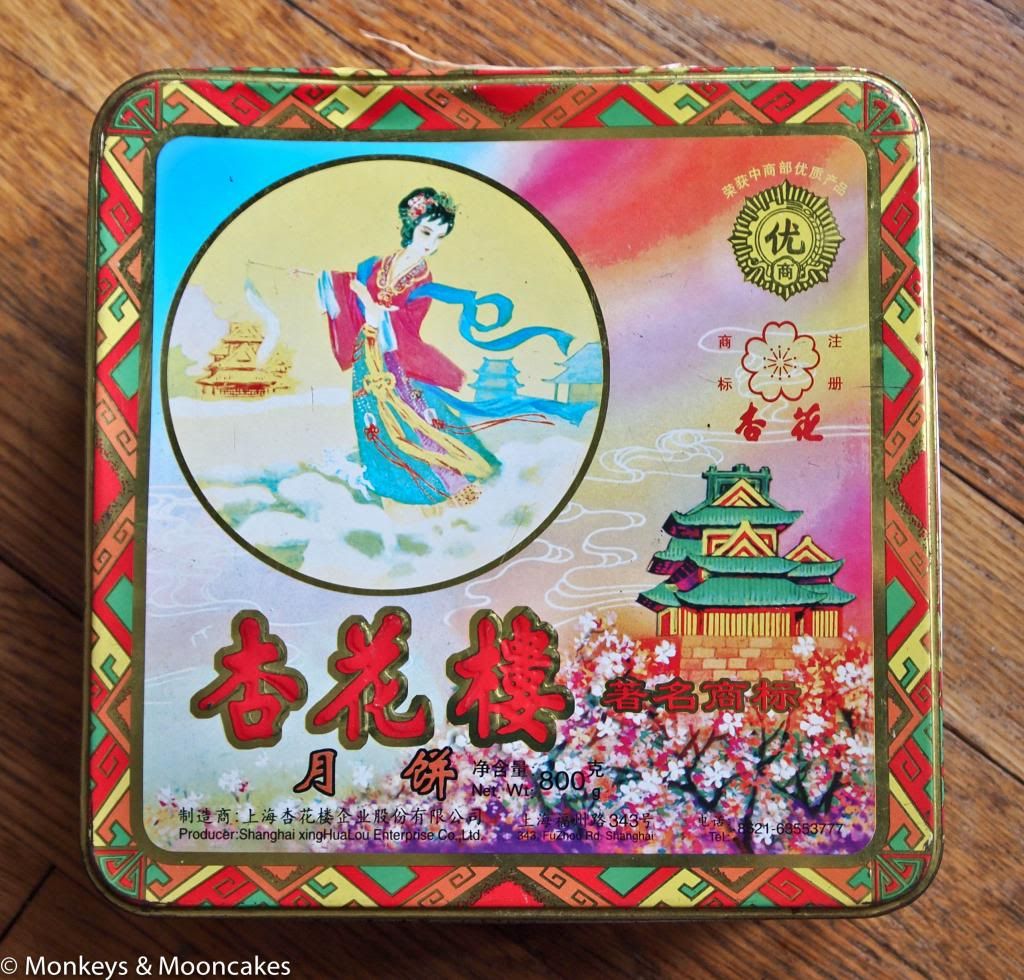
Days before Mid-Autumn festival, the Chinese markets in our community are stocked with colorful tins of mooncakes--tan and golden cakes the size of hockey pucks, imprinted with the Chinese characters for "wealth" and "happiness." They are beautiful! 


The trouble is...my kids have never gotten accustomed to their flavor (slightly sweet or salty due to their lotus bean paste, red bean paste, or egg yolk filling) or texture (dense and a bit chewy like cold cookie dough).

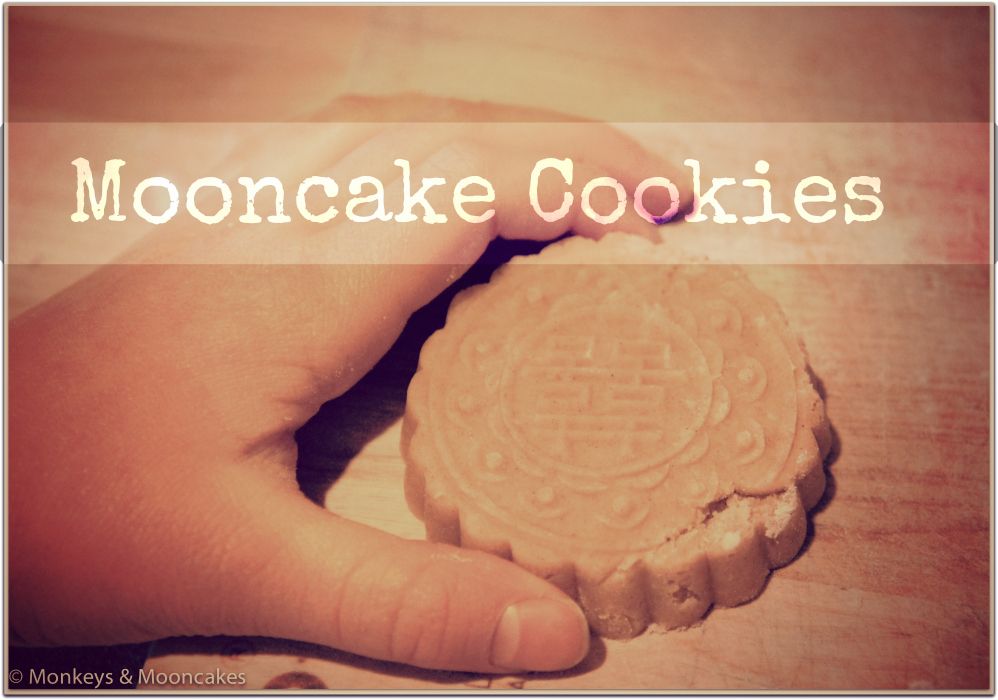
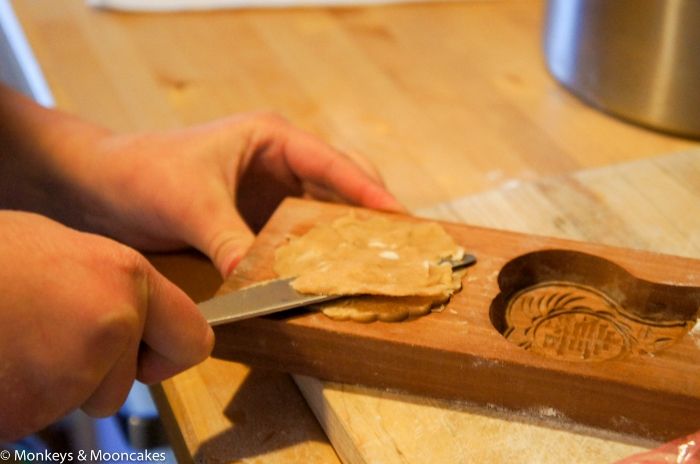
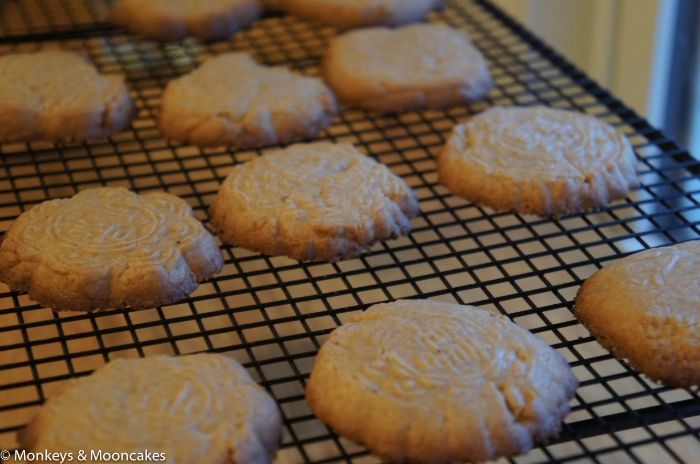
Then, I discovered Spoon and Chair's Cinnamon Buddha Cookie recipe. We used this recipe with the mooncake molds my husband brought back from China--which look to be deeper than Mooncake cookie molds. We ended up with buttery shortbread-type cookies that wowed with cinnamon taste and kept the beautiful shape of the mooncake mold. 


Some tips if using this recipe in your mooncake mold

  • Reduce chill time so your dough is pliable enough to work it into the mold with your fingers.
  • Use a butter knife to remove the extra dough from the mold. This will make a flat bottom for the cookie...and make it prettier!
  • Give the molds a good "ka-whack" to pop the cookies out of the mold. They can get really stuck. Flouring the before adding new dough each time can help with this also. 
  • Remove from oven when cookies start turning golden brown. Ours got a little toasty at the end of the recommended 20 minutes.
  • For goodness sakes, make 2 batches! With our molds, the recipe yielded only 11 cookies...which means they disappeared in a matter of hours. They are that good.

What treats do you make for Mid-Autumn Festival?


post signature