Image Map

Thursday, January 29, 2015

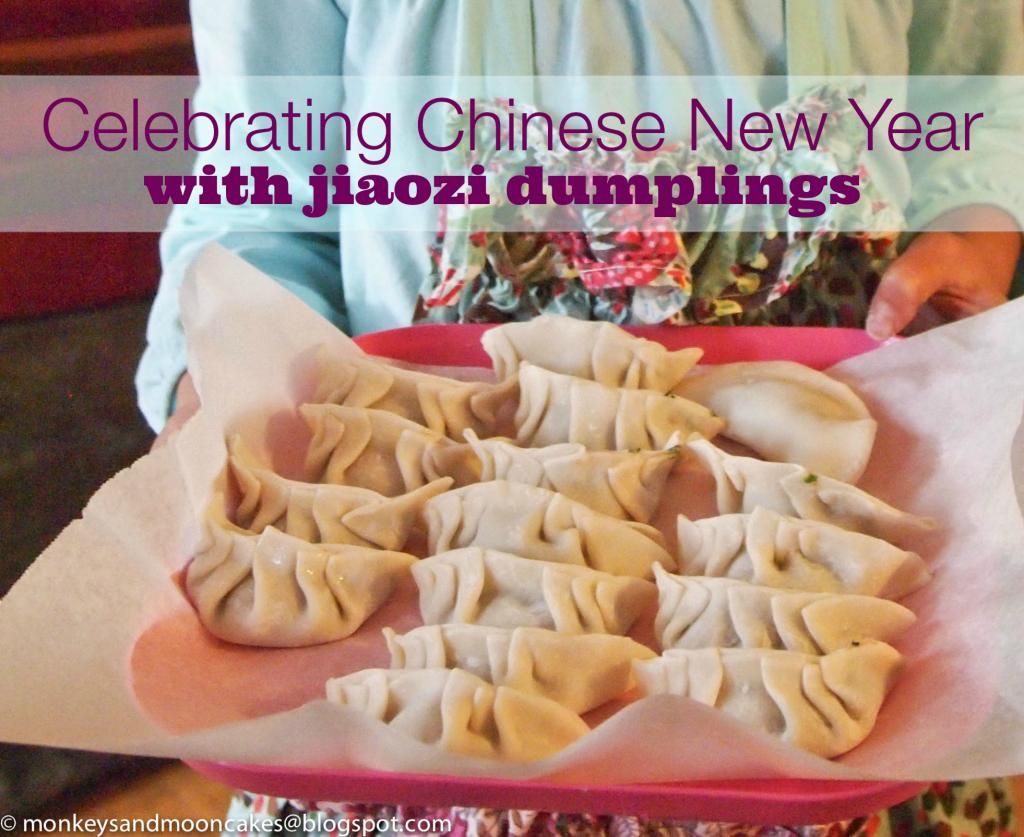
Celebrating Chinese New Years with Jiaozi Dumplings

With Chinese New Years just around the corner (Feb. 19), I have dumplings on my mind... 

In 2012, I shared a post about dumplings  (jiǎozi饺子) and family togetherness on my Rice and Pasta, Please! blog. Since dumplings and spending time with my family are some of my favorites things about the holiday, I decided to share a revised version of the post with you! 
**********************

The phrase tuántuán yuán yuán (团团圆圆) is often used to describe Chinese New Year (CNY). It literally means "the family is happy and together" because CNY is a time when families come together--to cook, eat and celebrate the beginning of the Lunar New Year.  

Making dumplings (jiǎozi) is a wonderful togetherness activity to do with your friends and family during CNY.  The wrapping process can take several hours so it's a great time to 
chat and catch up. 

Although our family's CNY's traditions change from year to year--some years we eat out and 
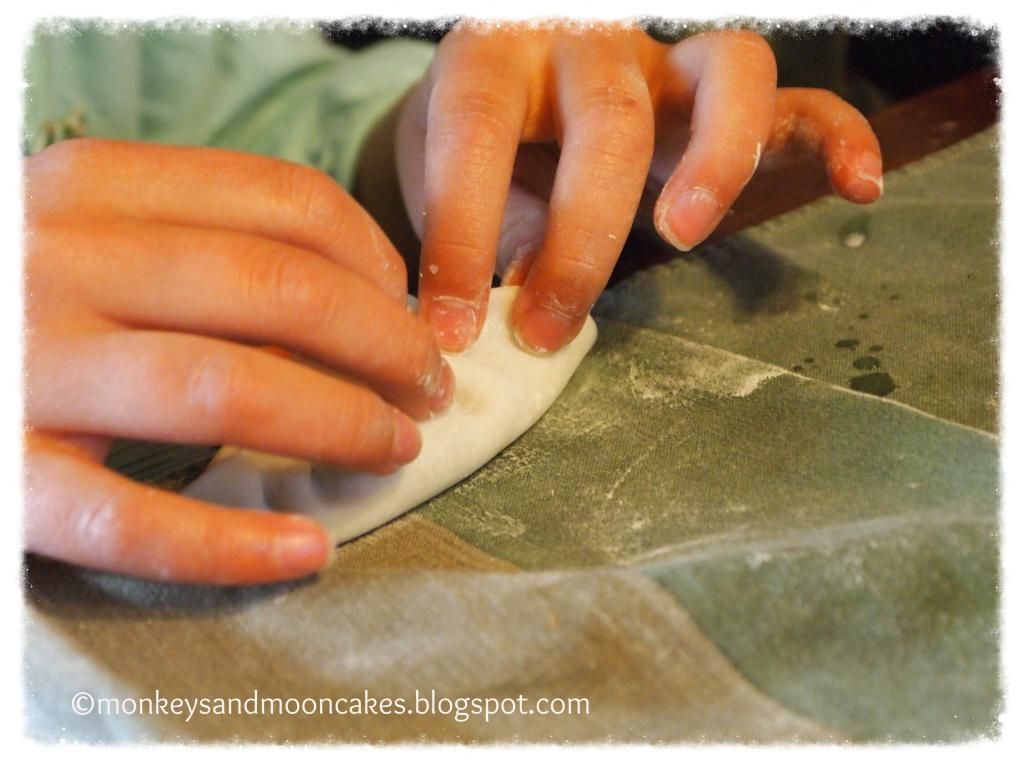
watch a lion dance, other years we invite friends over for a big Chinese feast--we always 
manage to include at least one jiǎozi-making event into our celebrations


So you want to makejiǎozi at home? Wonderful! 


What you need to know:

1. You can make your own dumpling wrappers. Really. We've rolled out and wrapped jiǎozi 
in homemade wrappers before (made by someone else), but this year, I'd love to make our own homemade wrapper recipe. I'll let you know how it goes!

2. Don't want the hassle of making your own wrappers? No problem! You can buy 
pre-made wrappers (in the freezer section of your local Chinese supermarket). 

-->We use pre-made dumpling wrappers for jiǎozi that are boiled, but prefer the thinner 
       wonton wrappers for dumplings that are fried. It's personal preference really, but just know 
       that there are both types out there.

3. There are infinite ways to wrap jiǎozi--well, maybe not infinite...but a lot! 
-->There is the pleat method. In this technique, each side of the outer wrapper is pleated 
        toward the center. Pleats are then pressed firmly to the bottom wrapper. 

-->There is the fold and crimp method (like a tortellini). Check out Beijing Gourmand's 
        explanation of this one.

-->Feeling creative? Design your own signature fold. Just make sure the seal is tight enough 
       so that the filling won't sneak out when it's tossed into the pot of boiling water.

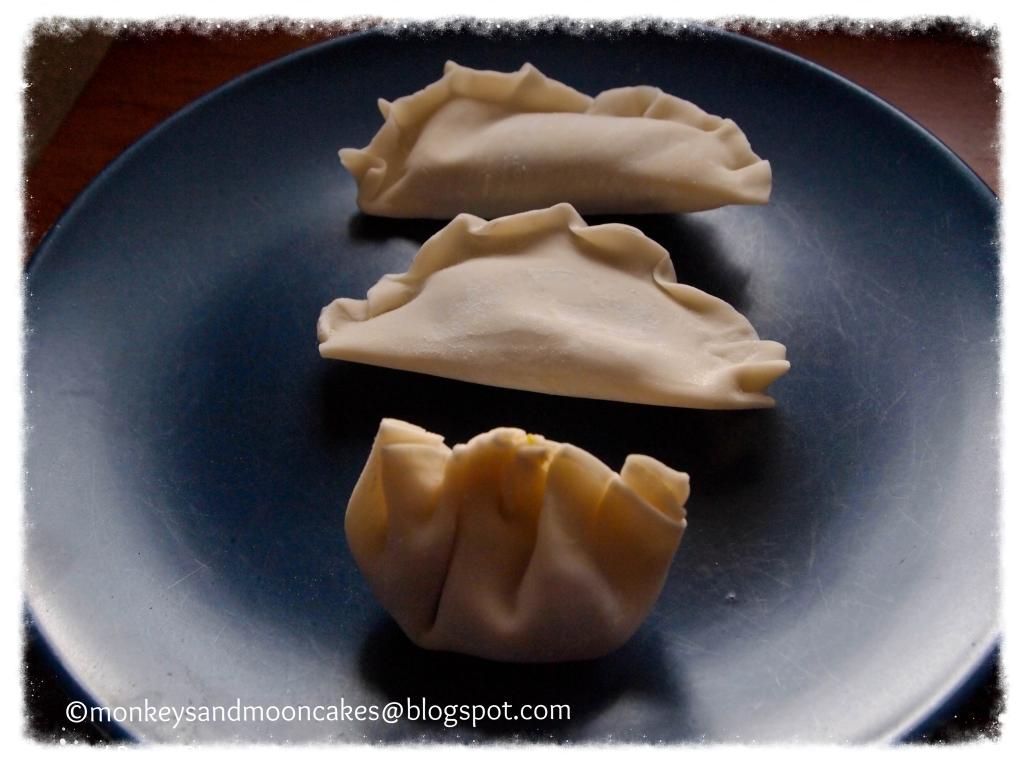
                             Here are some of our inventions: the stegosaurus and the purse


4.  No matter how you wrap your dumplings, each method requires a little extra moisture 
for a tight seal (this seems especially true with frozen wrappers). Dip your index finger into a 
small bowl of water, and run your finger along the edge before starting to pleat the wrappers.

5Need a recipe for a good filling? I've got you covered. Check out Chinese jiaozi two ways from Madame Huang's Kitchen for beef and pork/shrimp recipes. 

6. Last thing: Chinese dumplings freeze wonderfully (for at least a month).  When you want to use them, just drop them frozen into boiling water (no need to thaw!)


How will you celebrate with family and friends this CNY?


post signature

Thursday, January 22, 2015

Bridge Builder: Chinese Character Review Game


Every time we return from a break from Mandarin lessons, it takes us a few weeks to get the "wheels turning" and remember all the characters/vocab from weeks past.

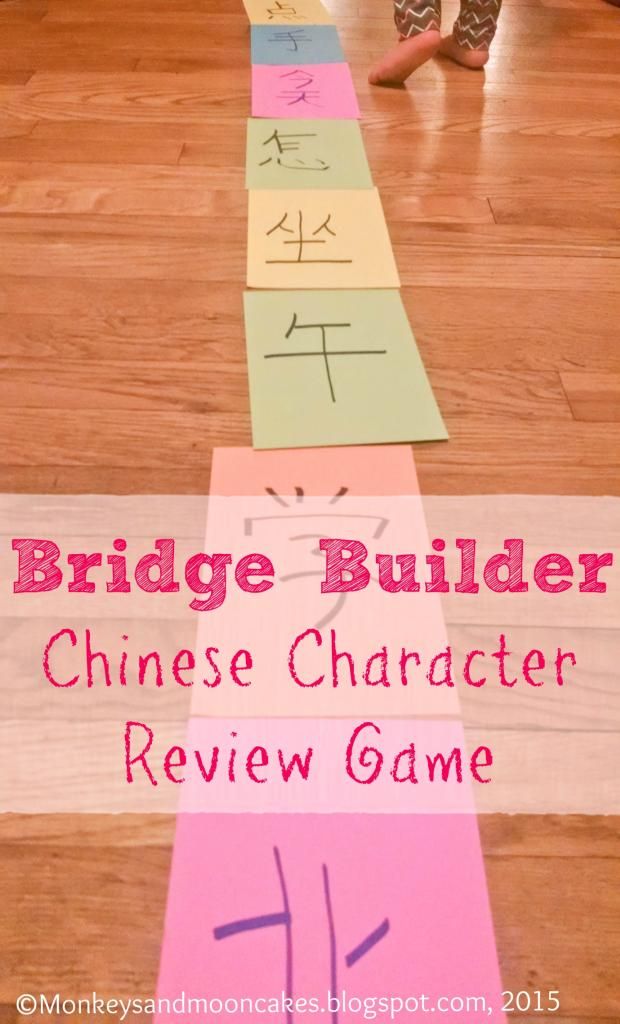
This week we adapted a vocab review game from Genki English called Island Hopping to review our Chinese characters. I called our game "Bridge Builder."


This is how we played the game:


1. Type or write the Chinese characters you want to review on pieces of paper or notecards. 
  • I chose 24 characters to review and wrote them with a big sharpie on 5X7 notecards.

2. Each player must "build a bridge" from a pre-selected starting line to a finish line by placing the cards down on the ground, one after the other. 
  • We built bridges from one end of the rug to the other. 

3. The cards cannot be placed until the player says the name of the character out loud. 
  • For reference, I let the girls use their Character binders, which contain all of the characters they have learned (pinyin, translation, etc...). 

4. The first player to cross the finish line wins!

When we played the game, I gave each player a stack of different characters, but the game could easily be played using several copies of the same characters (i.e. 4 of each). I'm going to try it this way next time as a way to help the girls quickly recognize and review some of our recent characters. 

Try this out and let me know what you think! 

Was this game an effective way to review Chinese characters? 

Are there other games you play in your home? 


post signature

Wednesday, January 7, 2015

Happy New Years! 新年好! Xīnnián hǎo!

Happy 2015! I hope that you had a wonderful holidays with your loved ones. 

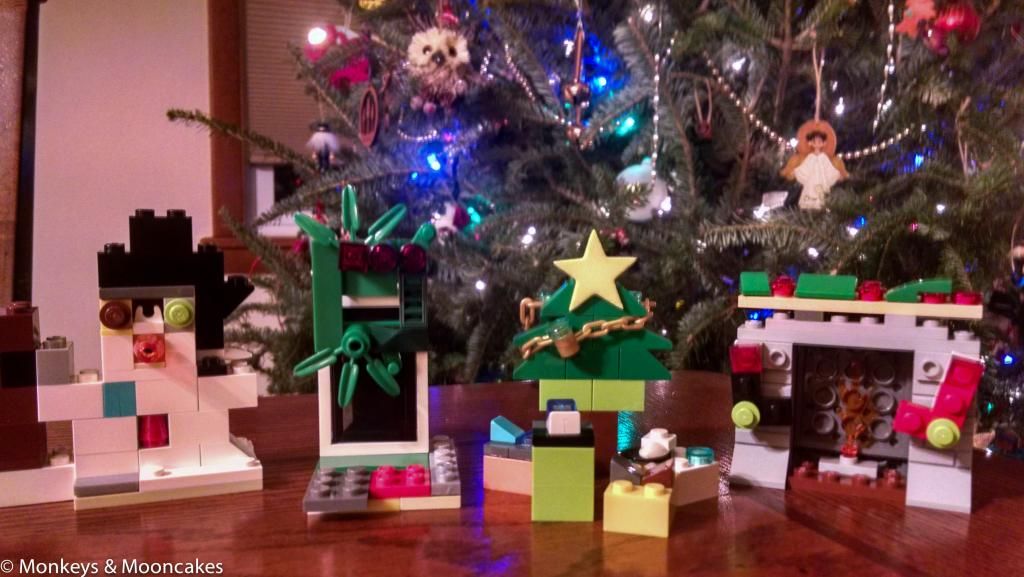
Our holiday break began like this:


and this:


but then it started to look like this:


The flu hit us all! But by the time New Years rolled around, we were finally all healthy again, and ready to start thinking about the exciting times ahead of us. 

*******************

This past week, I've been exploring some new materials and brainstorming lots of great activities and games to use my kids' Mandarin lessons. I can't wait to share these with you in 2015!

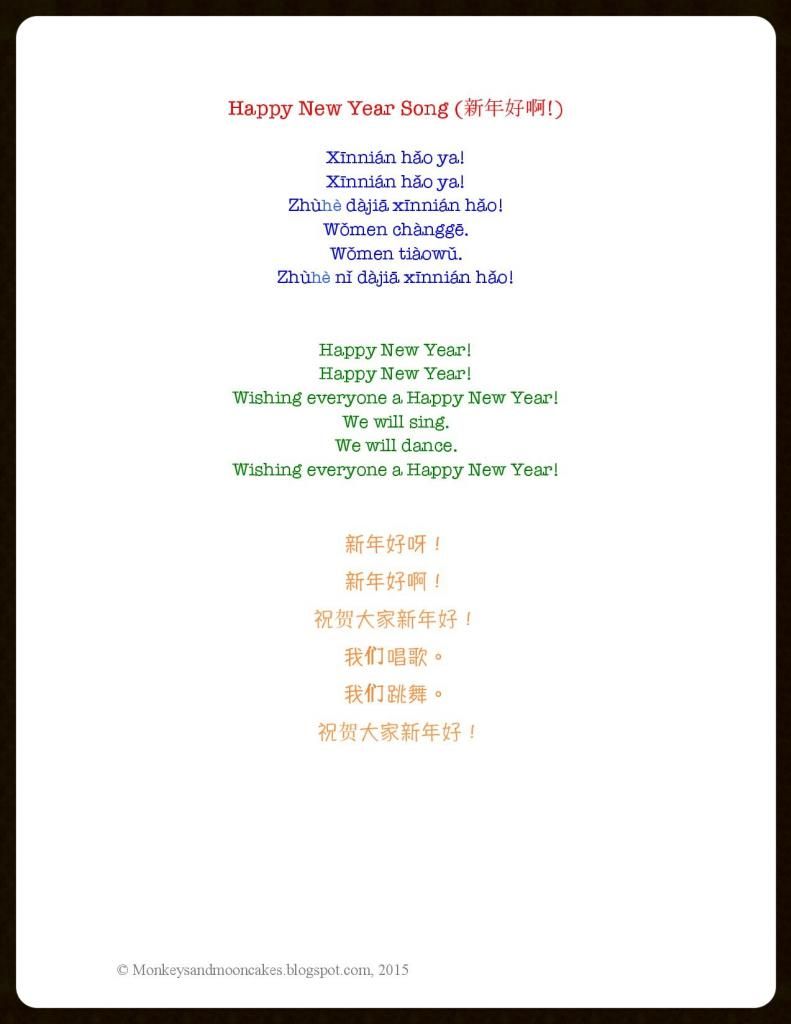
Until then, let me leave with a New Years song: The Happy New Year Song (sung to the tune of "Oh My Darling, Clementine"). It's technically a Chinese New Year's Song--CNY is Thursday, Feb. 19 this year. Put it on your calendar! But we are going to sing it this week because singing is a great way to practice our Mandarin. 

Here are the lyrics:


Click here to download these lyrics for FREE!

And then, watch this video of Learn Chinese with Emma to hear how to sing it. She gives a great explanation of the vocab in the song as well!


Happy New Years to you and your family!


post signature

Friday, December 5, 2014

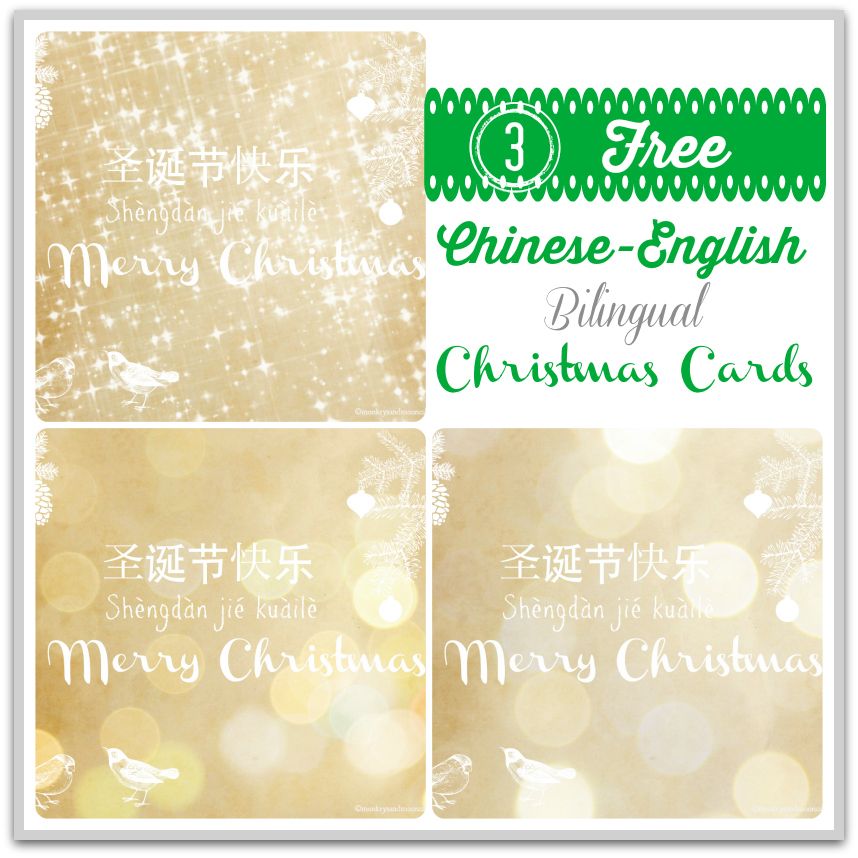
3 Free Chinese-English Christmas Cards


With Thanksgiving weekend behind us, Christmas preparations are well underway in our house. We've set out the advent candles, carefully arranged the manger scene, and hung lights on our small pines outside. 

I've started thinking about Christmas cards too. I love sending holiday greetings to friends close and far away, maybe including a recent family photo and a personal message. 

It's a great way for me to communicate "I care about you." And because I'm super sentimental, I often tuck the cards I receive away in a drawer (especially the ones with hand-written messages), and pull them out to re-read years later. 

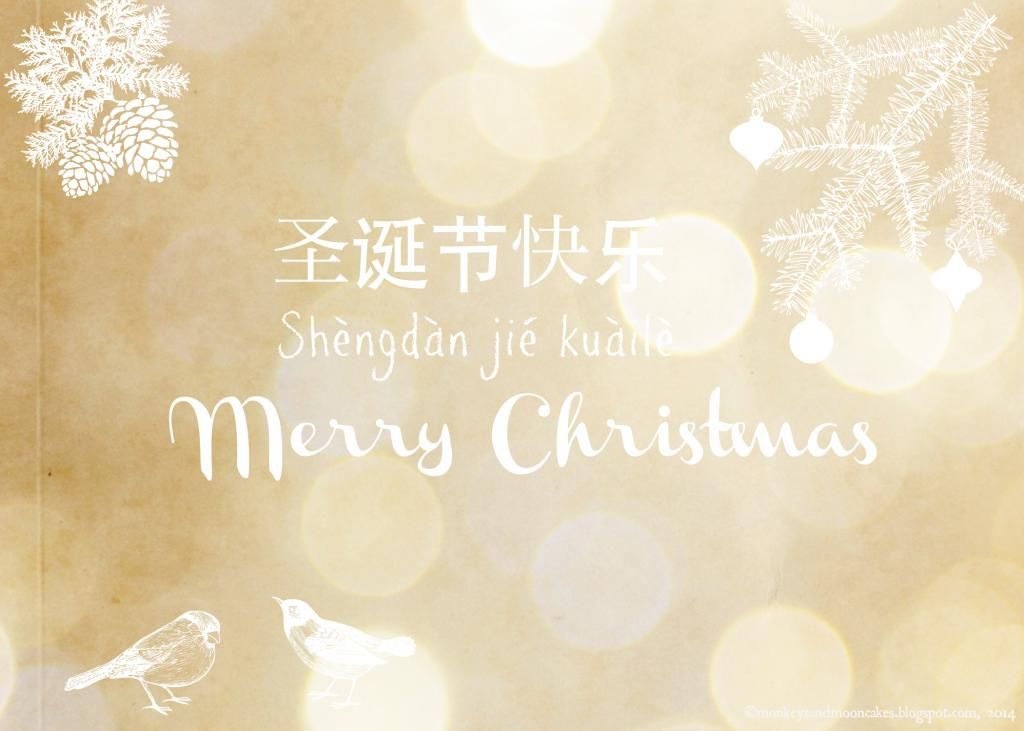
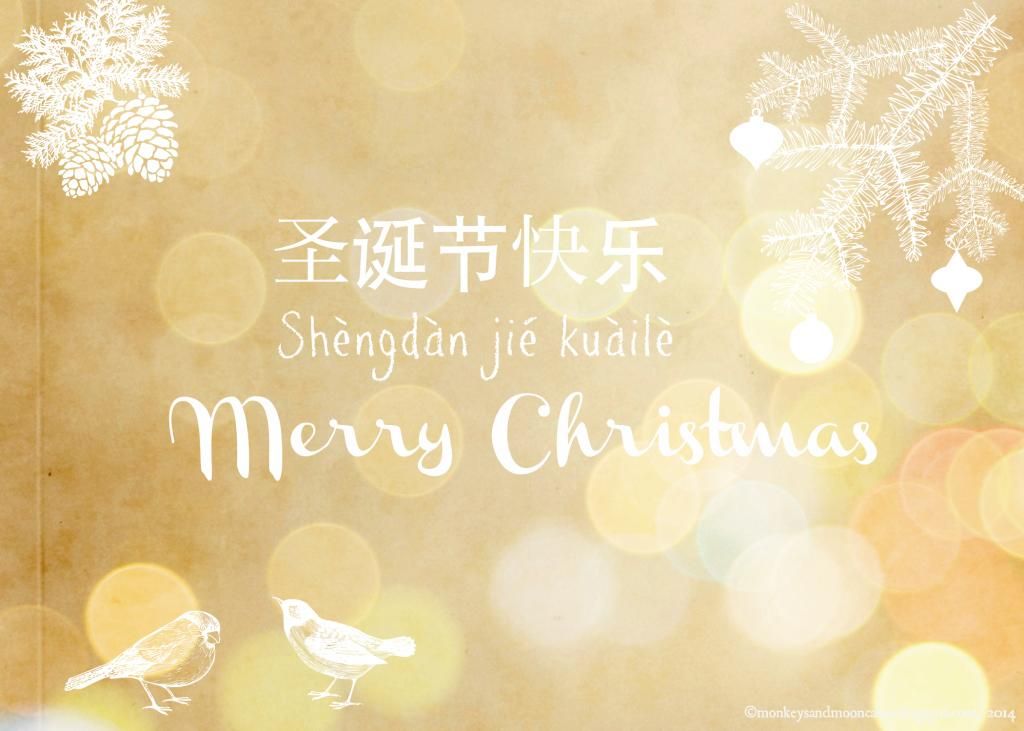
So last night, inspired by the twinkling holiday lights in our neighborhood and sweet little bird that frequent our our backyard, I created a pretty Chinese-English Christmas card, one to send to Mandarin-speaking friends and family members, one that would have plenty of space for me to write a personal message. 


And in the spirit of Christmas, I want to share these with you! 


  1. Click here to download the first card (with pastel dots).
  2. Click here to download the second card (with colored dots).
  3. Click here to download the third card (the sparkly one...I couldn't resist the bling=)
The deets: Each PDF file contains one 5x7 horizontal half-fold card. Print it out and write a note to a friend or family member! Cards are blank inside. 

If you use these cards this holiday season, perhaps you can say "thanks" by:
  • Liking Monkeys & Mooncakes on Facebook
  • Follow Monkeys & Mooncakes on Pinterest
  • Share the link to this page or pin it

Thanks!
post signature

Thursday, November 20, 2014

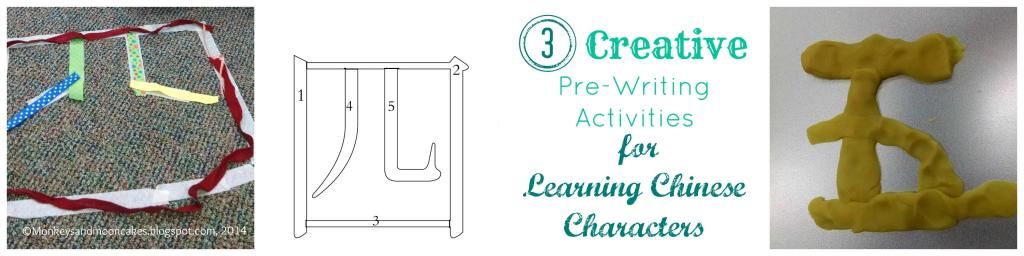
3 Creative Pre-Writing Activities for Learning Chinese Characters

This fall, I taught a fun 6-week after-school class at my kiddos' school. My students were all Kindergarteners (and one 2nd-grader).  At our first class,  I realized that this writing thing was pretty new to most of them. School had just started one month earlier, and the kindergartners were just adjusting to holding a pencil and writing their ABC's.  


Writing Chinese characters was a stretch for them, a good stretch--one that we would work on throughout the 6-week class. But I also wanted to give them a more accessible way to immediately experience the shapes of the characters. 


Here are 3 of their favorites:

1.  Tracing characters 

  • Have an adult or big kid help tape the shape of the character on the ground. Use masking tape or painter’s tape because it removes easily and comes in fun colors.  
  • Use ribbons, jump ropes, or shoelaces (basically anything long and shapeable) to follow the shape of the character. We used broken beaded necklaces from dress-ups and ribbons. 
  • This can also be done on a smaller scale with characters printed in large font (300/400).


***********************************************************************************


    2.  Color-by-number characters

  • Create a color-by-number character--either draw one by hand or make one using Word and PicMonkey (see my tutorial here). 
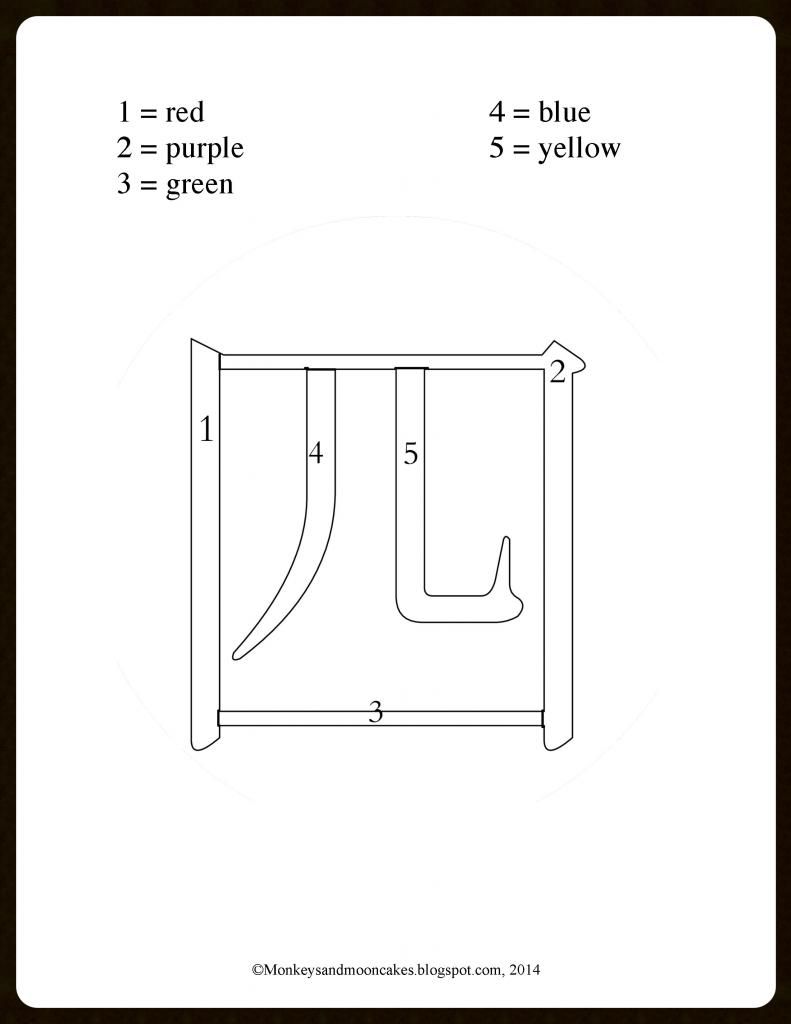
  • Click here to download the color-by-number page (pictured above) for the number four (四).
  • Grab some crayons and color the strokes of the character. 

*********************************************************************************


 3. Play dough characters

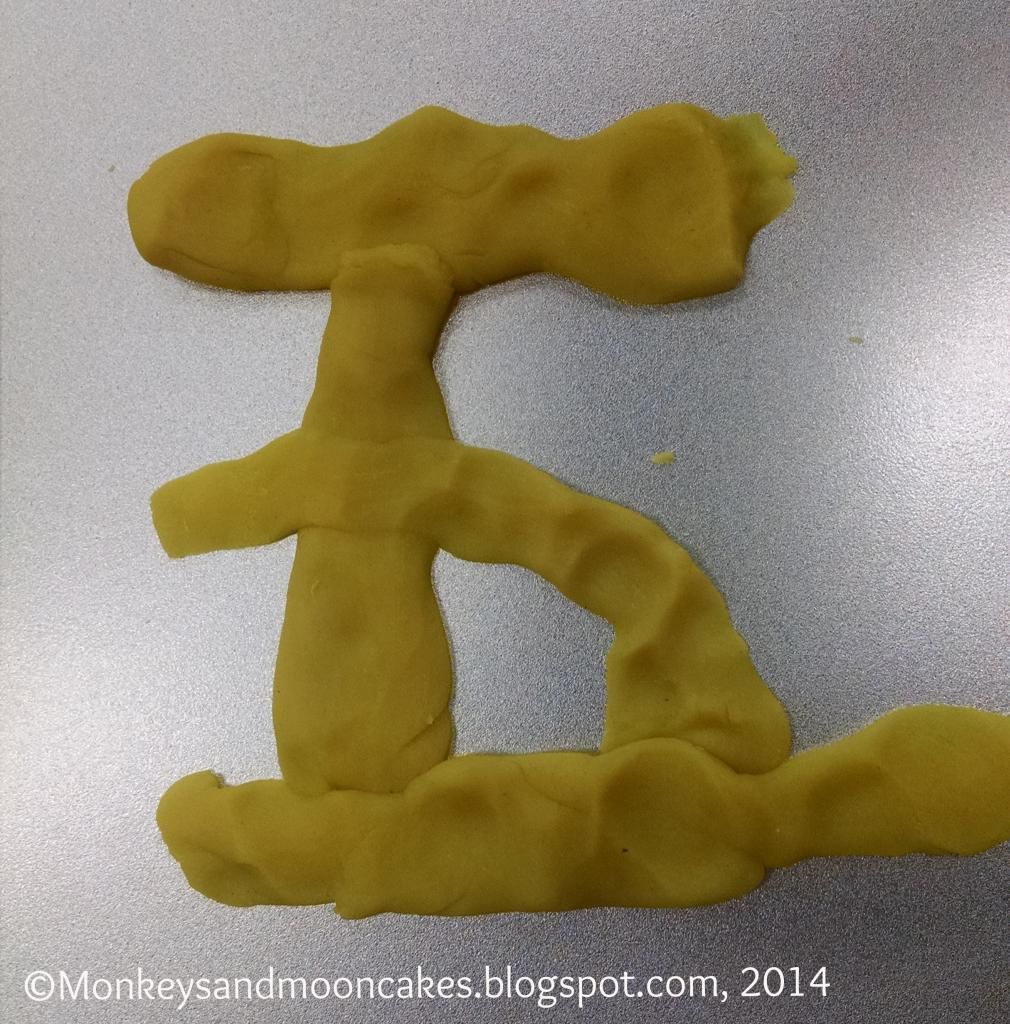
  • Form a character out of play dough by rolling "snakes" for each stroke and then assembling the strokes, or by mushing the play dough in to shape. 
  • Tip: Use a cookie sheet (we used small pans from the dollar store). These make clean up super easy and keep the play dough from rolling on the floor (which was important for us because we were using the library for our class!)

What type of pre-writing activities do you do at your home?

Check out my post 10 Sensory Activities for Practicing Chinese Characters for more ideas for character practice (including ideas that involve writing!). 
post signature

Friday, November 14, 2014

Color-by-number Chinese Characters: Free Printable & DIY


Earlier this fall, I searched for some pre-writing activities that could reinforce the Chinese characters I was introducing in an after school class I was teaching at my kids' school.

When I couldn't find exactly what I was looking for, I adapted an old standard: 


I discovered that the color-by-number idea works pretty well with beginning Chinese characters. And even better: it was accessible to the little ones in my class who were just getting used to writing with a pencil.

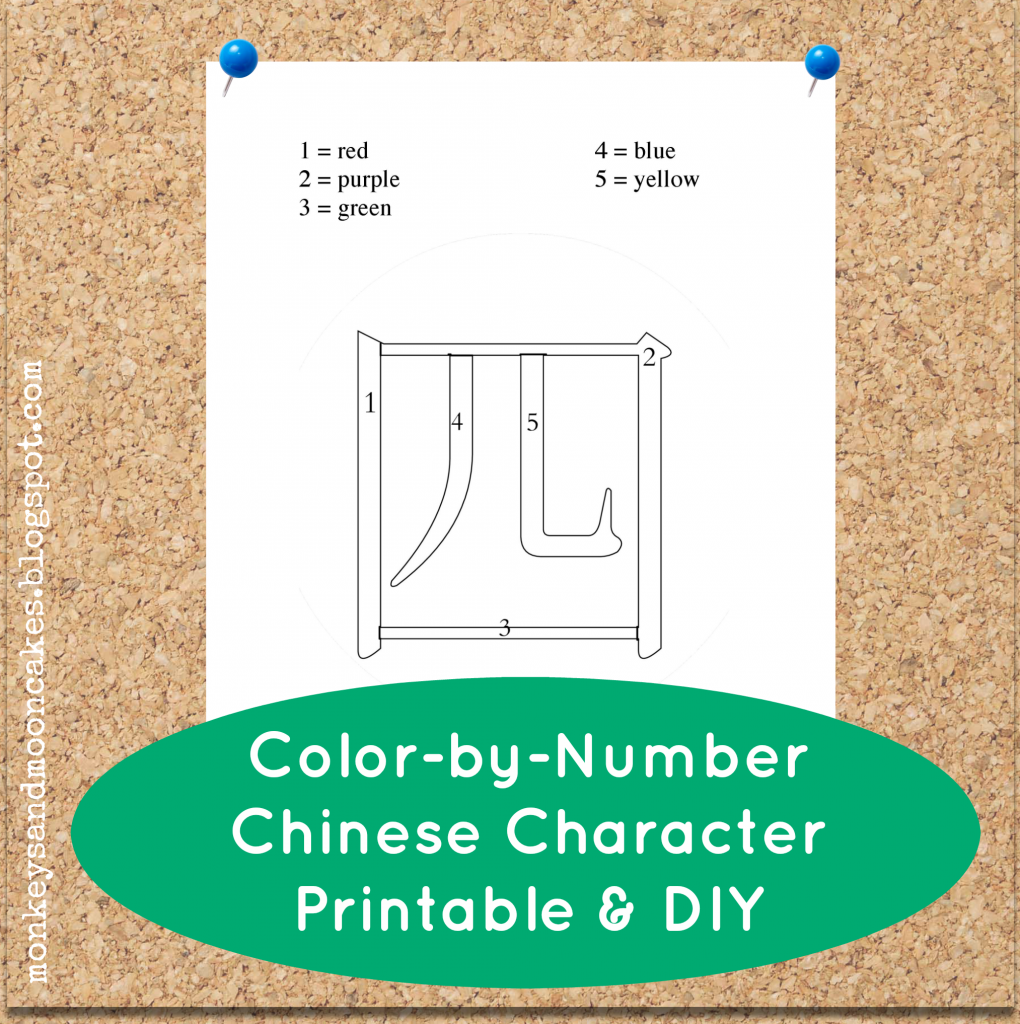
Click here to download the snazzy color-by-number printable above. I've numbered each stroke of the character (4, sì), so each stroke should end up a different beautiful color.


*****************************************************************************


If you want to make your own color-by-number Chinese character, here are 2 ways you can do this:


The first way is what I call the Easy Peasy Draw Your Own method.It's just as it sounds: Hand-draw your own color-by-number character. This is doable, even if you are just beginning to learn Mandarin. 

  1. Go to the dictionary at yellowbridge.com. You can input your word in English, Chinese characters, or pinyin. Then, after you've found the character you're looking for, click on "stroke order" to see how to write the character. 
  2. Write the character in outline form. 
  3. Section off the strokes, and number the sections.
  4. Write in your number/color designations (i.e. 1=yellow).
And Done!


************************************************************************


If you want a little more technical finesse in your final product...Turn it into WordArt!


1.  Using your Chinese input on your computer, type your character in a new Word document. 

-->If you do not have Chinese input, you can type the pinyin into Google Translate, copy the Chinese character from Google Translate, and paste it into a Word document.

-->If you want to get fancy, choose a different Mandarin font for the characters. I used Hannotate TC Regular because it looks like handwriting.

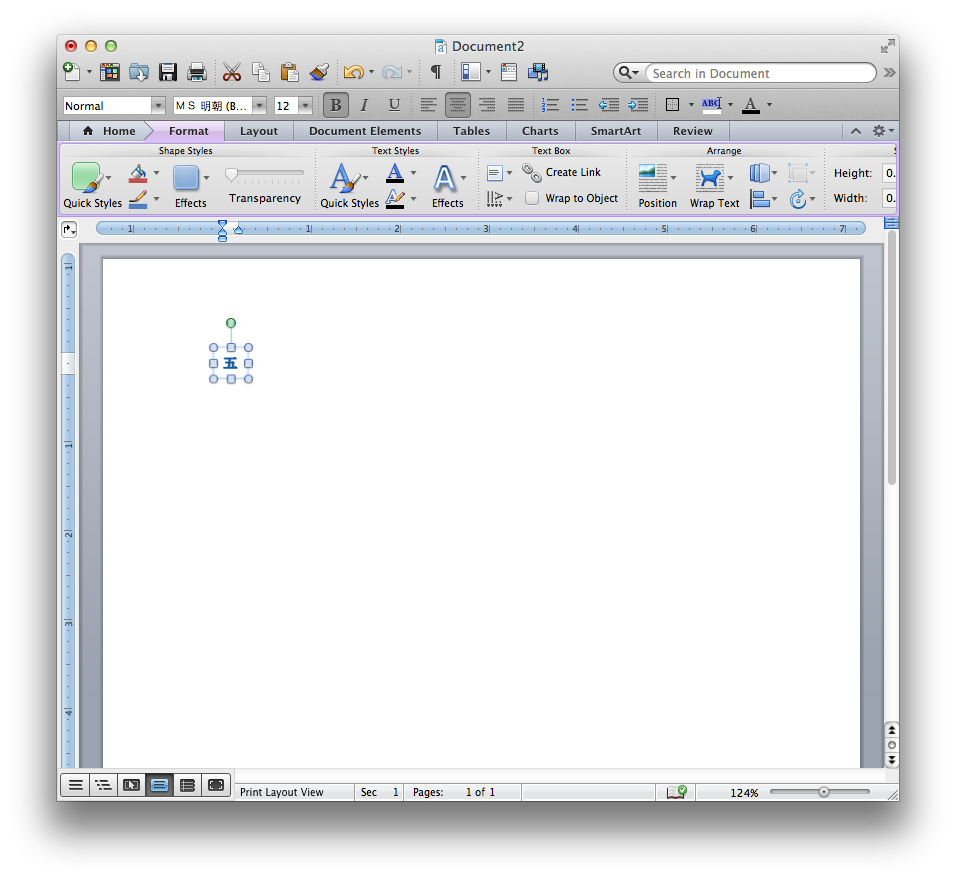
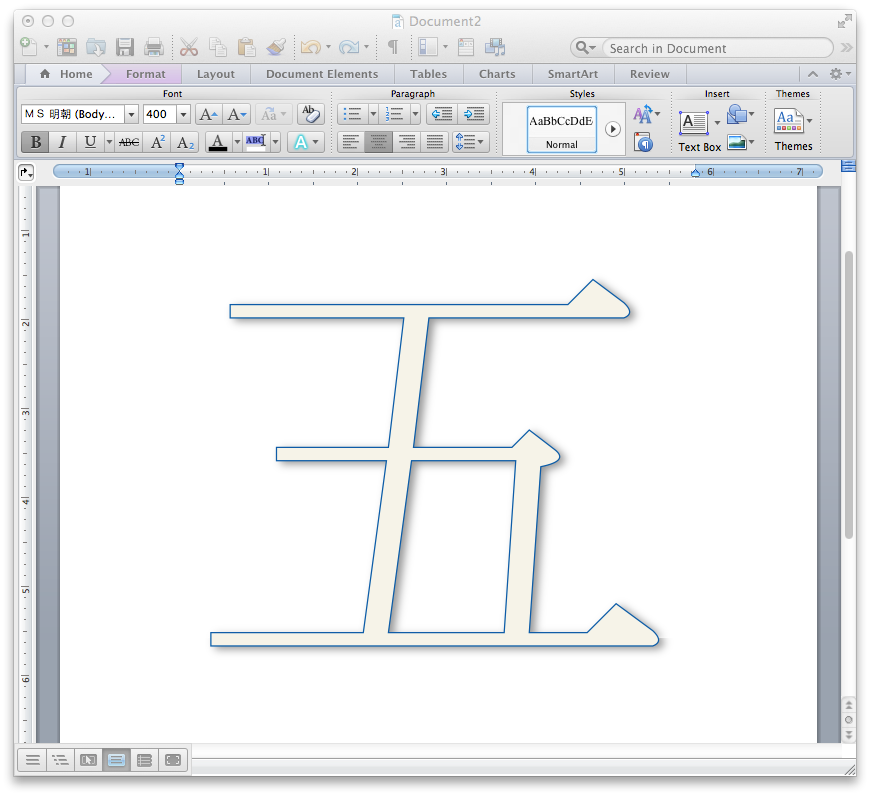
2.  Highlight the character you just typed or pasted in the Word document. Select "WordArt" under the Insert menu. You should now see the Chinese character that you typed in outline form.

-->This may look different on your computer depending on if you're using Mac/Windows and how recent your operating system is. Check out this link from Microsoft support to walk you through inserting WordArt in a Word document.

3.  Adjust the style of your WordArt according to your preferences in the WordArt/Formatting toolbar. Again, the location of this toolbar will be different depending on your computer. Refer to the Microsoft Support page if you get stuck. 

4. Adjust the size of the new WordArt according to your preferences. I resized mine to 400 pt. You may have to expand the size of the text box to accommodate the bigger size. 

5.  Now you have a choice to A. save, print, and then hand draw all the little dividing lines in to make it a color-by-number, or B. save as a PDF and upload to PicMonkey where you can do this on your computer.

-->If you choose Option A, well done! Enjoy your new, snazzy Chinese character outline.

-->If you choose Option B, very nice! Please read on for further instructions. 

6. The next step is to convert your PDF to jpg. There are lots of free PDF to jpg converters online. I'm not an expert here, but take a look. 

7. Once you have converted and saved the WordArt character you created as a jpg, go to Picmonkey.com, choose "edit" and upload the jpg. 

-->If you're not familiar with PicMonkey, it's awesome!!! It's a online photo editing tool. I use their free tools, but you can also pay a fee to access more tools (they're not paying me for this promo--I just really love the website=)

8. After you have uploaded your jpg, choose the tool on the left side of your screen that looks like a tube of lipstick and scroll down the list of tools until you see "draw"(under "Artsy").

9. Adjust the brush size and color according to preference, and then draw in any dividing lines (to separate strokes).
10. Next, click on "T" (for add text) and click on the "add text" button. When the text box appears, choose a font and type in the numbers that will dictate which color to use when your little ones color in. Position and resize as you see fit.

-->You will have to add a new text box for each number. 

10. Once you are finished, save to your computer.
And Done! You now have a nifty color-by-number Chinese character image that you can use in any document, using "insert picture." 


What pre-writing activities do you use in your home to teach Mandarin?

post signature

Monday, October 13, 2014

"The Weather Today is Not So Good" Song and Game

After our first lesson on weather, I began looking for a catchy way to practice our new weather vocab, plus review/reinforce some other words we've been working on.

The sentence "Jīntiān de tiānqì bú tài hǎo" (The weather today is not so good) got stuck in my head, and after mumbling through it a few times, I realized that it would work well sung to the tune of "The Wheels on the Bus." 

After a little caffeine (i love my java) & creative brainstorming, a Mandarin song and game about the weather was born!

First, the song: Sung to "The Wheels on the Bus." It's a super catchy tune, one you've probably sung a million times between storytimes and preschool with your little ones. 

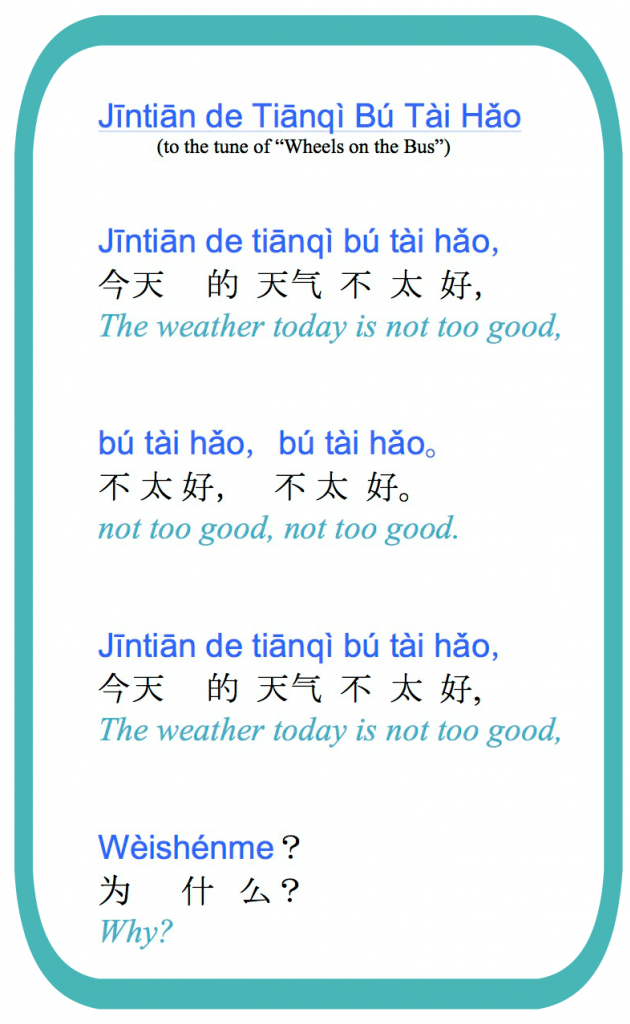
Here are the lyrics (download pdf here):


-->To intro the song, I first read the text out loud, asking the girls to highlight any words they didn't recognize.

-->Then, we read it out loud together, translating the text line by line.

-->Next, we sang it together.

Now, for the game!


What you'll need: 
  •       "Jīntiān de tiānqì bú tài hǎo" song lyrics
  •       weather and food cards (click here to download)

How to Play:
  1. Sing through the song. After singing "wèishénme?," point to a player. 
  2. This player turns over a weather card and answers in Mandarin, "Jīntiān lěng" (or Today is cold
  3. Repeat the process until everyone has had a turn. 
**The girls had recently learned the word "yīnwèi" (because), so they began their answer with "yīnwèi" and then filled in the weather condition.

**To make it more challenging, I threw in other weather conditions (Hěn lěng--very cold, and Bú tài rè--not too hot, Xià dàyǔ--heavy rain)


Now, the silly part: 
  • To switch things up, I introduced the stack of food cards
  • This time through, after we sang through the song, and asked "wèishénme?" whoever was it, turned over one card from each pile.
  • Instead of answering in Mandarin, the kiddo translated the weather card into English and combined it with the item on the food card to create a funny weather condition (i.e. it's snowing pancakes)
**This takes a little imagination, but it really stretched their "translating" muscles and made them giggle. 

What songs have you created to help you learn and/or teach Mandarin? 

post signature